
Lore
Dynamic resolution scaling
Technique used in real-time rendering
Dynamic resolution scaling is a technique used in real-time rendering, which has been utilised in a number of video games, including some Halo games. It aims to deliver a more consistent frame rate at the cost of resolution, in areas which are very taxing to render, while not impacting areas which aren't as demanding.
Function
Games which utilise dynamic resolution scaling do not uniformly render at a single resolution. Instead, they alter their rendering resolution dynamically during gameplay, based on how taxing the scene is for the GPU to render. The variety of distinct resolutions supported varies depending on how dynamic resolution scaling is implemented, with some engines varying the resolution in just one direction and others modifying it in both directions.
The rendered image, known as a frame, will typically be resized back up to the target resolution. Usually, any 2D elements such as HUDs, which are overlayed on top of the rendered image, will be added after the image is resized.
In theory, this process allows a game to deliver a much more consistent frame rate, because the engine can lower the resolution if it predicts that a frame is going to take too long to render. The technique can also allow the computer's GPU to be used more efficiently, as the engine will usually ensure that resolution is always as high as it can be without causing a drop in framerate.
Use in Halo
The following is a list of Halo games which use the technique:
Halo 2: Anniversary's campaign - With a maximum of 1080p on the Xbox One, and 2160p on the Xbox One X (with an update installed).
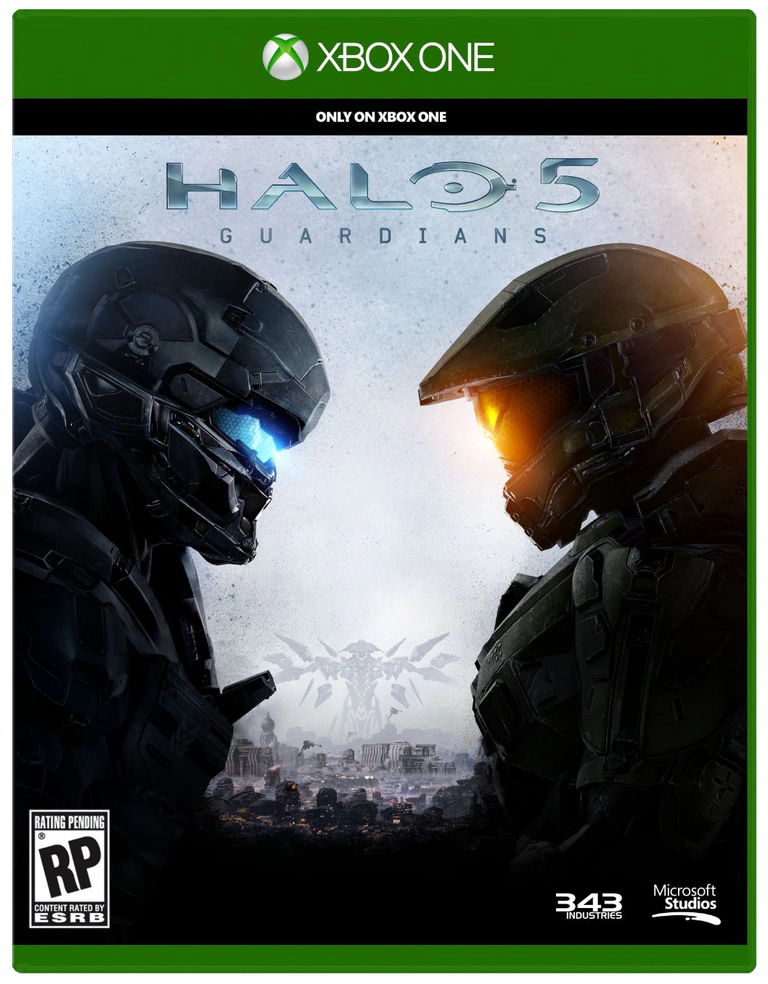
Halo 5: Guardians - With a maximum of 1080p on the Xbox One, and 2160p on the Xbox One X (with an update installed).
Sources
Adapted from the original article, under CC BY-SA 3.0.